A Fundamentals of Horizontal Directional Boring: An Summary


Horizontal Directional Drilling, commonly referred to as HDD, is revolutionizing the landscape of underground utility installation and infrastructure projects. By enabling the implementation of tubing, conductors, and other infrastructures without requiring extensive surface excavation, HDD presents a modern and effective option to traditional trenching methods. This groundbreaking method has gained traction across different sectors, including telecom, water, and renewable energy, owing to its ability to minimize environmental impact and enhance deadlines.
As urban areas continue to expand, the importance of green and effective construction methods has never been more essential. HDD not only meets the needs of managing challenging geographies and current utilities but also responds to the growing requirement for dependable utility installation with minimal disruption. In this piece, we will examine the details of HDD, its advantages, the tools used, and how developments in technology are influencing its future, making it an essential tool for current infrastructure projects.
Grasping Horizontal Directional Drilling
Horizontal Directional Drilling, commonly referred to HDD, represents a trenchless technology used to place underground utilities with minimal ground disruption. Unlike conventional excavation techniques, HDD enables the installation of tubes, wires, and other utilities beneath the ground without the requirement of extensive excavation. This method is particularly beneficial in urban areas where space is limited and existing infrastructure must be considered.
The HDD process begins with a guiding drilling rig that creates a small pilot hole below ground, steering the drill head through a predetermined path. After the initial hole is effectively established, it is subsequently enlarged to accommodate the size of the infrastructure being placed. This operation is often facilitated by borehole fluid, which aids cooling the drill bit and supports the hole, while also reducing resistance in the course of the installation of the tube or wire.
One of the key benefits of HDD is its capacity to reduce ecological effects. By eliminating massive excavation, HDD protects the nearby landscape, protects existing plant life, and reduces sediment disruption in fragile areas. This renders it an ideal option for projects that require placement through rivers, roads, or environmentally sensitive zones, ensuring that critical ecosystems remain undisturbed during infrastructure placements.
Benefits of HDD in Construction Projects
Horizontal Directional Drilling offers numerous advantages for construction projects, especially in metropolitan environments. One of the key benefits is its capability to minimize surface disruption. Unlike traditional trenching methods, which can lead to significant excavation and removal of concrete or concrete, Horizontal Directional Drilling allows for underground installation with little disturbance to the surface. This is particularly favorable in crowded urban areas where highways and existing structures must be intact, permitting for continuous traffic flow and reduced disruption to local shops and residents.
Another key advantage of Horizontal Directional Drilling is its versatility in navigating complex terrains. HDD can easily maneuver around environmental obstacles, such as water bodies or challenging slopes, which can be challenging for conventional excavation techniques. This capability allows for more effective routing of utility lines and pipelines, minimizing the need for extensive redirection or additional construction labor. As https://drillingcontractorsireland.co.uk/ , HDD can conserve time and costs while guaranteeing that projects conform to environmental standards and steer clear of sensitive areas, further enhancing its fit for various infrastructure developments.
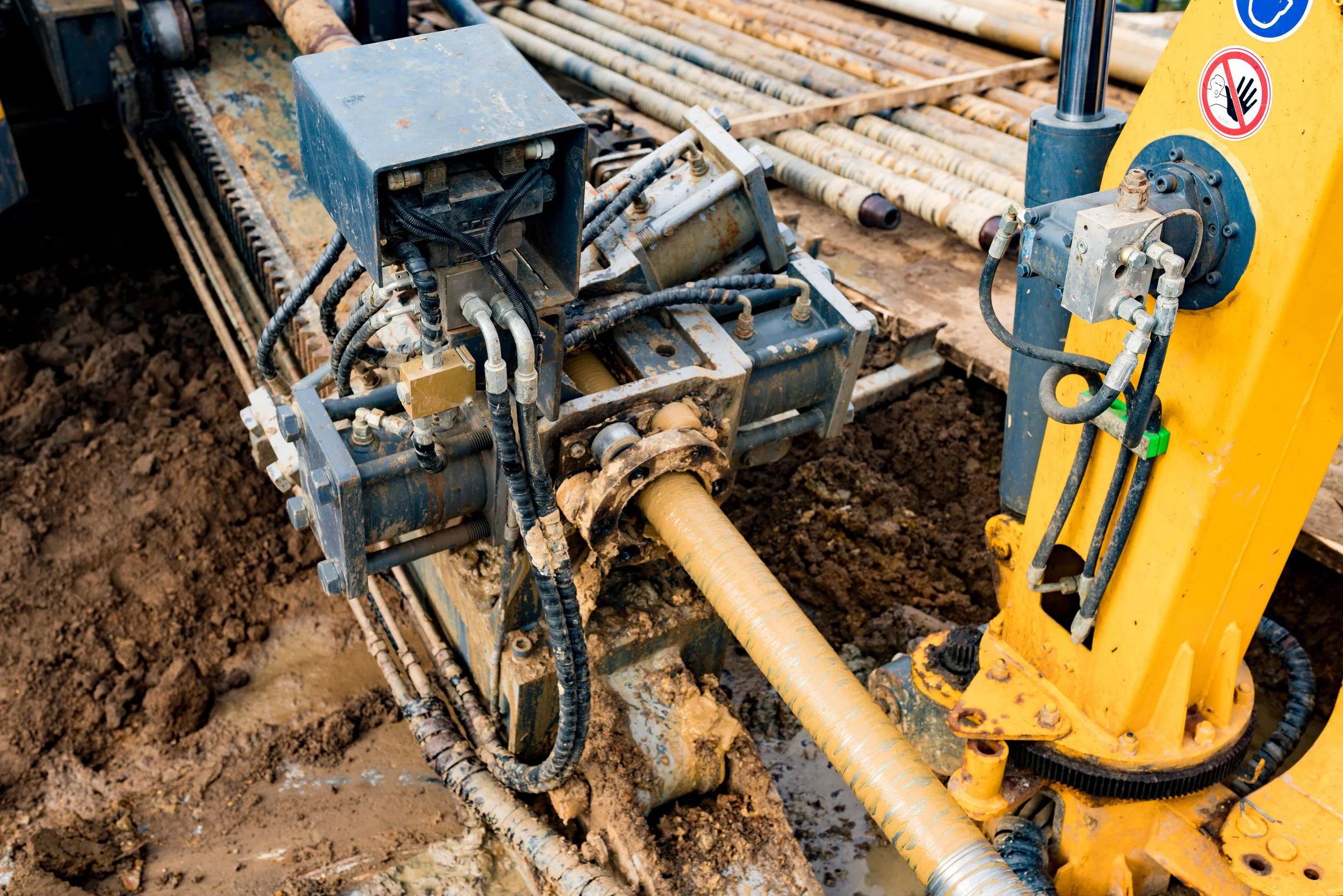
Moreover, Horizontal Directional Drilling encourages increased project effectiveness by drastically reducing construction durations. The use of specialized equipment and techniques allows for faster setups and installations, typically completing projects in a shorter span of the time compared to traditional dug-out techniques. This efficiency translates into minimized labor spending and lessens the ecological impact, as shorter project durations mean less equipment operation time and minimized disruption to the surrounding environment. All in all, Horizontal Directional Drilling is as a better method for construction development, delivering significant advantages in both execution and ecological stewardship.
Anticipated Innovations in Trenchless Methods
The prospects of trenchless technology, particularly Horizontal Directional Drilling, is set to be shaped by advancements in automated systems and digital tools. As the industry adopts more sophisticated tools, the increase of automated drills and continuous tracking will enhance precision and effectiveness. These innovations will enable operators to efficiently handle their projects, resulting in reduced chance of errors and enhanced safety on location. The inclusion of artificial intelligence in predictive maintenance will also aid in lessening operational interruptions and ensuring sustained operations.
Environmental factors are increasingly significant, and HDD is well-positioned to take the lead in this field. Projected trends indicate a increased attention on sustainability, with HDD being a preferred approach for building infrastructure in sensitive areas. As laws become more stringent, the adoption of trenchless methods that reduce surface disruption will continue to increase. Companies will emphasize strategies that match with eco-friendly objectives, leading to the implementation of eco-friendly drilling fluids and techniques that enhance the collective eco-friendly attributes of HDD.
In the field of renewable energy, HDD will serve a key role in enabling the deployment of solar and wind power infrastructure. As the demand for sustainable energy solutions grows, the need for effective install techniques will become more important. HDD can deliver the required means for the challenging installations connected to these projects, ensuring limited disruption to current landscapes and environmental systems. The collaboration between HDD technology and renewable energy initiatives will foster a fresh generation of infrastructure projects that support the transition to a greener tomorrow.